Skip to content

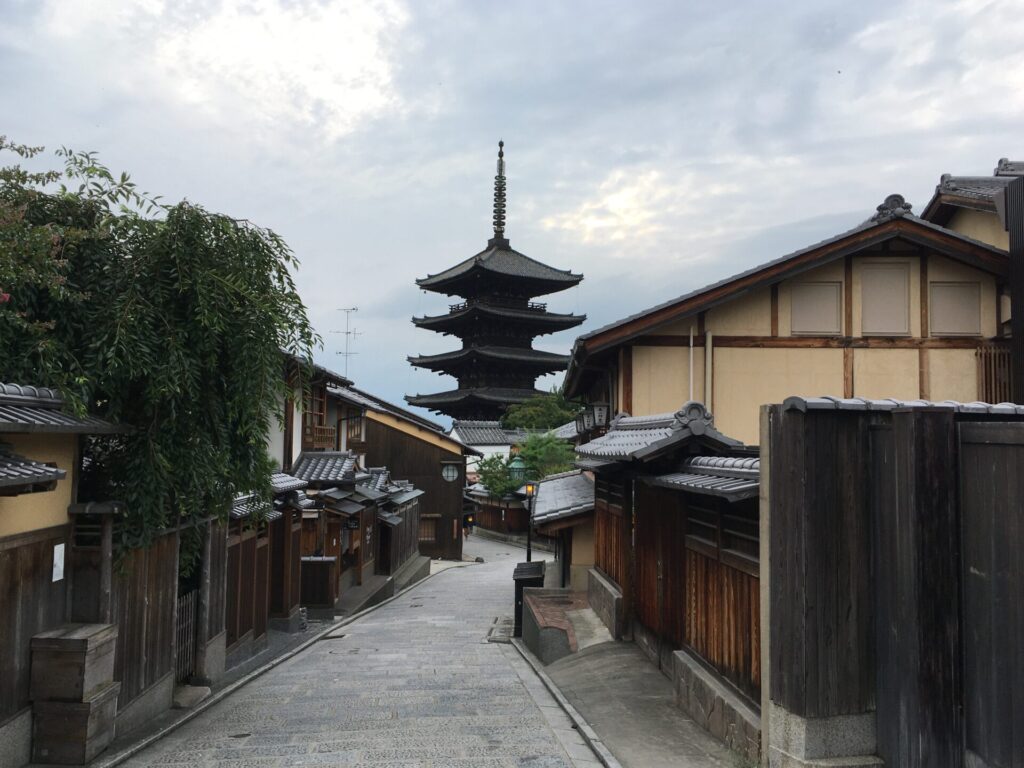
Kyoto is Japan’s cultural heart—where centuries-old temples, quiet moss gardens, and geisha-lined alleyways tell the story of a city that once ruled an empire. From shimmering shrines and Zen rock gardens to bamboo forests and traditional street food, Kyoto is a place where every turn feels like stepping into a postcard. If you’re lucky enough to spend 3 days in Kyoto, this detailed itinerary will guide you through exactly what to see, do, and eat to experience the city’s timeless beauty. Ready for a journey into Kyoto’s soul, one temple, tea house, and torii gate at a time? 行きましょう!
How to Get from Kansai Airport to Kyoto?
- JR Haruka Kansai Airport: The JR Haruka Express is a fast and convenient train service run by Japan Railways (JR), providing direct access from Kansai International Airport to key cities in the Kansai region, such as Osaka and Kyoto. You can buy your ticket here!
- Limousine Bus Kansai Airport: A slightly cheaper option than JR Haruka Express. You can reach Kyoto by bus by taking the Limousine Bus Kansai Airport. Buy your ticket here!
- Private transfer: Prefer an even smoother ride? Have a private transfer waiting for you at the airport just to drop you off at your hotel. Book it here!
Where to Stay in Kyoto?
Kyoto is the same as Osaka and Tokyo: they are very large cities. I recommend two districts:
- Gion: to be close to the district itself, the Kamo River and the Teramachi galleries.
- Kyoto Station: to be close to the main logistical point of the city and to be able to move around easily, and not to be too far from the Gion district.
Day 1 in Kyoto: Iconic Shrines, Hidden Gems & Timeless Streets
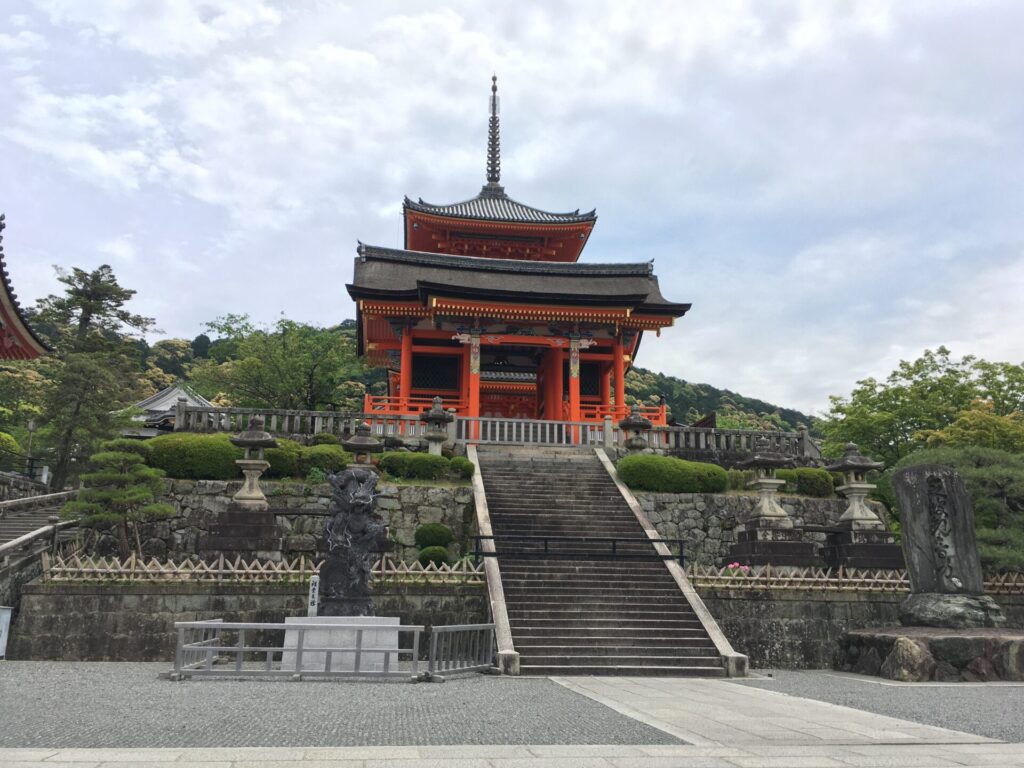
Welcome to Kyoto! The first day of your 3 days in Kyoto is all about grounding yourself in the city’s spiritual soul while soaking up some of its most iconic views and cultural landmarks. Today’s itinerary blends sacred shrines, atmospheric streets, and unforgettable food—a perfect introduction to what makes Kyoto such a timeless destination.
You’ll walk through endless torii gates at Fushimi Inari, stand before 1,001 golden Buddhas, explore a tranquil temple once tied to the imperial family, and end your day watching the sunset from one of Kyoto’s most beloved wooden terraces. If you’re wondering what to see, do, and eat in Kyoto to truly experience its essence, this is the perfect place to begin.
1. Fushimi Inari Taisha – A Tunnel of Torii into Kyoto’s Spirit
Begin your Kyoto itinerary with what is arguably the most iconic sight in the city: Fushimi Inari Taisha. Famous for its vermilion torii gates that stretch endlessly up Mount Inari, this Shinto shrine honors Inari, the deity of rice, fertility, and success. The moment you step beneath the gates, you enter a world of sacred silence and rustling leaves—one that shifts from tourist bustle at the bottom to near-total serenity as you climb.
Take your time on the trails. Small sub-shrines, fox statues, and mossy altars dot the path, each offering a glimpse into Japan’s living spiritual traditions. Whether you hike to the summit or pause at one of the midpoints, this walk is more than a photo opportunity—it’s a ritual in motion and a must for any Kyoto trip.
2. Sanjusangendo – Where 1,001 Golden Kannon Statues Watch Over You
From Fushimi Inari, head north to Sanjusangendo Temple, one of the most unique places to visit in Kyoto. While the exterior is understated, inside lies one of the most breathtaking sacred spaces in the country: a massive wooden hall filled with 1,001 statues of Kannon, the goddess of mercy. Lined up in perfect symmetry, these life-sized golden figures seem to breathe with divine stillness.
Each statue features subtly different facial features and gestures, representing the many ways compassion can manifest. In the center, a towering seated Kannon is flanked by fierce guardian deities, creating a balance between peace and protection. It’s a place that stirs quiet awe—less visited than some temples, but easily one of the most memorable stops in any Kyoto itinerary.
3. Shoren-in Temple – A Hidden Garden Sanctuary Near Maruyama Park
A short taxi ride or gentle walk from Sanjusangendo takes you to Shoren-in, a former temple of the imperial family and one of Kyoto’s most peaceful corners. Unlike the grandiosity of Kyoto’s bigger temples, Shoren-in offers intimacy and quiet refinement. Its beautiful blue-hued sliding doors, ancient camphor trees, and meticulously maintained garden paths invite you to slow down and breathe.
Wander through tatami-mat halls that open to serene pond views, or sit quietly with a cup of green tea and watch the light shift over the moss. The temple also holds occasional evening illuminations, transforming the gardens into a dreamy play of shadow and color. Shoren-in is one of those rare Kyoto experiences that feels deeply personal, even in a city of world-famous landmarks.
4. Chion-in – Majestic Gates & Buddhist Grandeur
Just down the hill from Shoren-in is Chion-in, a temple that leaves a powerful impression before you even step inside. Its Sanmon Gate, the largest wooden gate in Japan, towers nearly 25 meters high and dates back to the 1600s. Walking beneath it feels like entering a sacred realm—and what follows only adds to the atmosphere.
Chion-in is the head temple of the Jodo (Pure Land) sect of Buddhism, one of the most widely practiced schools in Japan. The temple grounds are vast and varied: giant bells, elegant pavilions, stone paths, and hidden courtyards all await discovery. If you’re lucky, you may catch the rhythmic chanting of monks in the main hall—a mesmerizing experience that brings the space to life. This is one of Kyoto’s most historically significant places, and it captures both scale and soul in equal measure.
5. Walk Through Maruyama Park to Kiyomizudera via the Higashiyama District
From Chion-in, continue your route by walking through the lovely Maruyama Park, Kyoto’s most famous green space. With its shaded paths, koi ponds, and tranquil vibe, it’s a soft and scenic transition between temples. This stroll naturally leads you into the heart of the Higashiyama district, one of the best-preserved historical neighborhoods in the city.
As you ascend toward Kiyomizudera, you’ll pass through Ninenzaka and Sannenzaka—two beautiful stone-paved lanes lined with teahouses, souvenir shops, and traditional homes. When you finally reach the main hall of Kiyomizudera, the city of Kyoto unfolds before you in a panoramic view from the temple’s massive wooden stage. Explore the waterfall below, make a wish at the love shrine, or simply stand and take in one of Japan’s most iconic landscapes. There’s no better way to end your first full day in Kyoto.
6. Where to have lunch and dinner during the first of your 3 days in Kyoto?
Lunch at Okutan – Yudofu in a Tranquil Garden, or Soba in Higashiyama
For lunch near Kiyomizudera, treat yourself to a meal at Okutan, a centuries-old restaurant that specializes in yudofu (simmered tofu) served in a peaceful tatami room with views of a quiet garden. The meal is beautifully simple and deeply Kyoto—think tofu, rice, pickles, sesame dressing, and seasonal sides.
Not into tofu? No worries. As you walk through Ninenzaka and Sannenzaka, you’ll pass several excellent restaurants offering soba noodles and tempura, served hot or cold, often with a scenic view or cozy interior. Whether you go traditional or a bit more flexible, lunch in Higashiyama is always a highlight.
Dinner in Pontocho – Kyoto Cuisine Under Lantern Light
As the sun sets, head across town to Pontocho Alley, one of the most atmospheric streets in Kyoto. Running alongside the Kamogawa River, this narrow pedestrian lane is lined with traditional wooden buildings, glowing lanterns, and a mix of fine dining restaurants and casual izakayas. Some offer seasonal yuka dining—elevated decks that let you enjoy your meal while looking out over the water.
Try local specialties like Kyoto-style sushi, wagyu beef, or a multi-course kaiseki meal showcasing regional, seasonal ingredients. With the buzz of conversation, the flicker of candles, and the occasional sight of a geisha slipping past, Pontocho is the perfect ending to your first full day in Kyoto.
Day 2 in Kyoto: Golden Reflections, Zen Gardens & the Philosopher’s Path
After an unforgettable first day exploring Kyoto’s southern spiritual core, Day 2 of your 3-day Kyoto itinerary takes you into the northern and eastern districts—home to some of the city’s most iconic and contemplative sights. Today’s route is all about elegance, balance, and slowing down to experience Kyoto’s quiet side.
You’ll visit shimmering temples like the Golden Pavilion, stroll through perfectly raked Zen gardens, wander shaded canal paths once walked by philosophers, and discover mossy sanctuaries tucked into the hillside. If you’re wondering what to do, see, and eat in Kyoto that captures the city’s refined beauty and historic grace, today’s itinerary will take you straight to its heart.
1. Kinkakuji – The Golden Pavilion that Shimmers in Silence
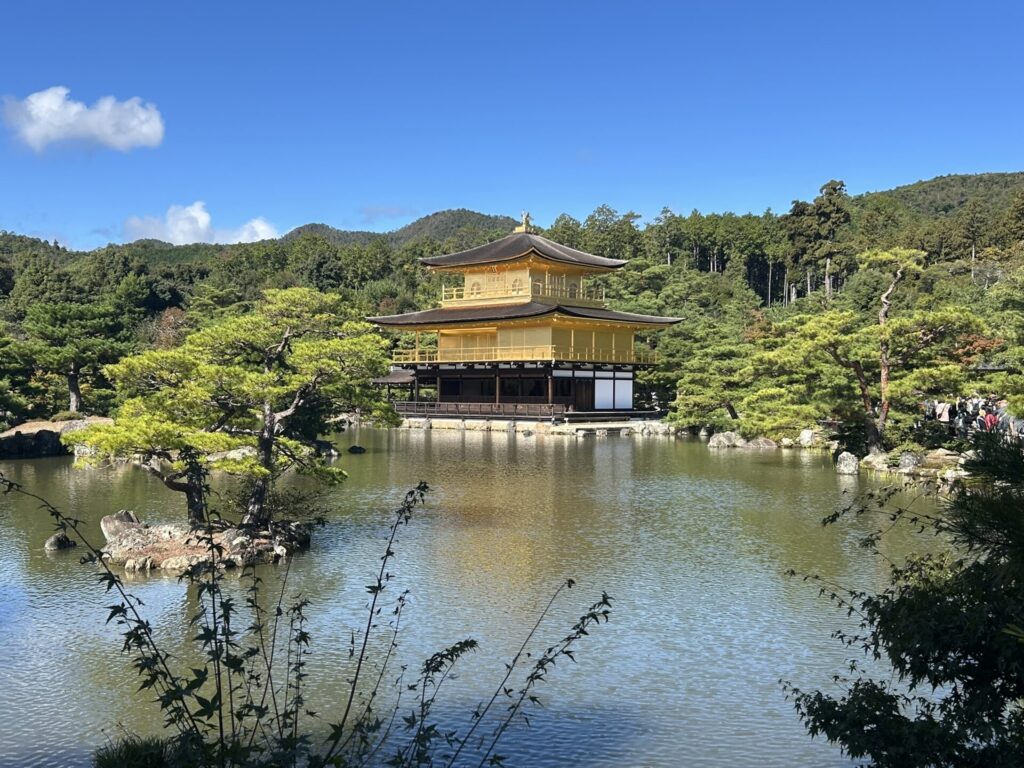
Start your morning with a sight that looks too perfect to be real: Kinkakuji, Kyoto’s stunning Golden Pavilion. This Zen temple, officially named Rokuonji, is coated in real gold leaf and stands on the edge of a reflective pond, surrounded by pine trees and landscaped gardens. The mirror-like symmetry between temple and water is one of Japan’s most iconic images—and seeing it in person is nothing short of magical. While you can’t enter the pavilion itself, the walking path loops around the gardens, offering photo-worthy views from every angle. It’s one of the most beautiful temples in Kyoto and a must-see for any traveler spending 3 days in the city.
Try to arrive right when it opens (usually 9 AM) to beat the tour bus crowds and catch the temple in soft morning light.
2. Ryoanji Temple – A Masterclass in Minimalism
Just a short walk from Kinkakuji lies Ryoanji, home to Japan’s most famous karesansui (dry rock garden). At first glance, it’s simple: fifteen moss-covered stones arranged in raked white gravel. But the mystery lies in the composition—no matter where you sit, you can only ever see 14 stones at a time. Some say it’s a metaphor for the unattainability of perfection. Others say it’s a riddle. Either way, the garden draws you into quiet contemplation. Beyond the rock garden, the temple grounds also feature a peaceful pond, forest paths, and a teahouse—perfect for a slow morning stroll and a mental reset.
3. Ninnaji Temple – Pagodas, Palace Gates & Imperial Calm
Ninnaji doesn’t always make the top of tourist lists—and that’s precisely why it’s a treasure. This large temple complex, just 15 minutes on foot from Ryoanji, was once the residence of imperial priests and is now a UNESCO World Heritage Site. Highlights include its five-story pagoda, wide open courtyards, elegant kannon-do hall, and lovely seasonal gardens. During cherry blossom season, the temple’s grove of late-blooming sakura offers a quieter, less crowded alternative to Kyoto’s more famous viewing spots. Take your time here—the slower pace and relative emptiness give it a timeless, sacred feel.
4. Ginkakuji – The Silver Pavilion & Garden Poetry
Cross town to Kyoto’s eastern mountains and visit Ginkakuji, the Silver Pavilion—originally built as a retirement villa for a shogun and later converted into a Zen temple. Despite the nickname, the building was never covered in silver, but its understated wooden design and lush, mossy surroundings create a poetic contrast to the gilded brilliance of Kinkakuji. The temple is nestled within a beautifully landscaped garden complete with raked sand mounds, known as the “Sea of Silver Sand”, and elevated paths that offer panoramic views of Kyoto’s rooftops.
5. The Philosopher’s Path – Tranquil Temples & Seasonal Beauty
Right outside Ginkakuji begins the Philosopher’s Path, a gentle, tree-lined canal walk that winds south toward Nanzenji Temple. Named after Kyoto University philosophy professor Nishida Kitaro, who meditated along this route, the path is one of the best places in Kyoto to relax and reflect. It’s particularly stunning during cherry blossom season and autumn when the foliage lights up the water.
Along the walk, you’ll pass hidden shops, quiet cafés, and several smaller temples—two of which are especially worth a visit:
- Honen-in is a peaceful and mossy retreat tucked into the hillside. As you pass through its thatched gate, you’ll be greeted by a pair of white sand mounds symbolizing purification. The atmosphere is hushed, shaded, and deeply meditative—ideal for a quiet moment away from the crowds.
- Nanzenji sits at the southern end of the path and is one of Kyoto’s most important Zen temples. Highlights include the massive Sanmon Gate, a dramatic aqueduct from the Meiji era, and multiple sub-temples scattered throughout the leafy complex. The grounds are free to enter and perfect for a slow afternoon wander.
If you’re wondering what to do in Kyoto that offers both culture and calm, this walk—plus these two optional temple visits—makes for a perfect, flexible way to fill your day.
6. Where to have lunch and dinner during the second of your 3 days in Kyoto?
Lunch: Omen – Kyoto-Style Udon with a View
A short walk from Ginkakuji, Omen is a cozy, stylish eatery serving one of the most comforting meals in Kyoto: udon noodles with seasonal vegetables and sesame broth. You can enjoy them hot or cold, with toppings like grated daikon, nori, and mountain greens, served on elegant ceramic plates. The restaurant offers a quiet, traditional interior and sometimes views of a small garden, depending on where you’re seated. It’s very popular with both locals and travelers, so arriving slightly before or after peak lunch hour (12–1:30 PM) helps. Bonus: it’s vegetarian-friendly and beautifully presented.
Dinner: Kyoto Station’s Gourmet Street – Local Flavors in a Modern Space
By day’s end, head back toward Kyoto Station—not just a transit hub, but also a surprising food destination. On the 11th floor, you’ll find “Kyoto Ramen Koji”, a ramen street with branches of famous shops from all over Japan. Whether you’re craving shoyu, tonkotsu, miso, or Kyoto’s lighter yuba ramen, there’s something here for every taste. If you prefer a sit-down restaurant, the Porta underground mall or the Isetan department store food floor has sushi, kaiseki, tempura, and more. It’s the perfect way to end a day of serenity with something hearty, satisfying, and classically Japanese.
Day 3 in Kyoto: Shoguns, Shrines & Forested Escapes
Your final day in Kyoto invites you to explore the city’s quieter strength and spiritual roots—where ancient shrines hide in sacred forests, castles echo with the footsteps of shoguns, and riverside paths offer a soft landing to reflect on your journey. It’s the kind of day that reveals why Kyoto is not just beautiful, but deeply alive.
This last leg of your 3-day Kyoto itinerary blends cultural heritage with natural calm, beginning in the historic heart of the city and ending in the serene landscapes of Arashiyama. If you’re wondering what to do, see, and eat in Kyoto before you say goodbye, today’s route delivers a graceful finale—rich in beauty, history, and unforgettable moments.
1. Shimogamo Shrine – A Sacred Forest at Kyoto’s Edge
Begin your morning at Shimogamo Shrine, one of Kyoto’s oldest and most spiritually significant Shinto sites. Situated at the meeting point of two rivers, the shrine is surrounded by Tadasu no Mori—a lush, ancient forest that feels like stepping into a forgotten world. The path into the shrine is wide, shaded, and peaceful, offering a gentle transition from the modern city into something much older and more sacred.
Within the grounds, vermilion gates, mossy bridges, and quiet water features reflect the shrine’s deep connection to purity and nature. Shimogamo is not only a UNESCO World Heritage Site but also a place that retains a powerful sense of quiet reverence—perfect for grounding your last day in Kyoto.
2. Nijo Castle – Where Power Once Slept
Next, make your way to Nijo Castle, one of Kyoto’s most historically significant landmarks. Built in 1603 for Tokugawa Ieyasu, the first shogun of the Edo Period, this sprawling complex tells the story of feudal Japan in architecture, detail, and atmosphere.
Walk through the Ninomaru Palace, with its gold-accented sliding doors and “nightingale floors” that squeak softly underfoot to warn of intruders. The surrounding gardens are a masterpiece of design, with koi ponds, stone bridges, and seasonal flora. Nijo Castle is a must for anyone interested in Japan’s warrior past and a beautiful contrast to Kyoto’s religious sites.
3. Kyoto Imperial Palace Park – A Royal Stroll Through History
A short ride or scenic walk from Nijo brings you to the Kyoto Gyoen National Garden, home of the Kyoto Imperial Palace. Although the palace itself is only accessible by guided tour (check in advance), the surrounding grounds are wide open and ideal for a peaceful stroll.
Gravel paths curve through soft groves of pine, plum, and maple trees. Wooden gates, bridges, and historical markers add subtle depth to the open-air setting. Locals jog, picnic, and walk their dogs here—it’s one of the best spots in Kyoto to feel like a resident rather than a visitor. If you’re looking for things to do in Kyoto that mix cultural heritage with open space, this is a perfect midday pause.
4. Arashiyama Bamboo Grove – Kyoto’s Most Famous Forest Path
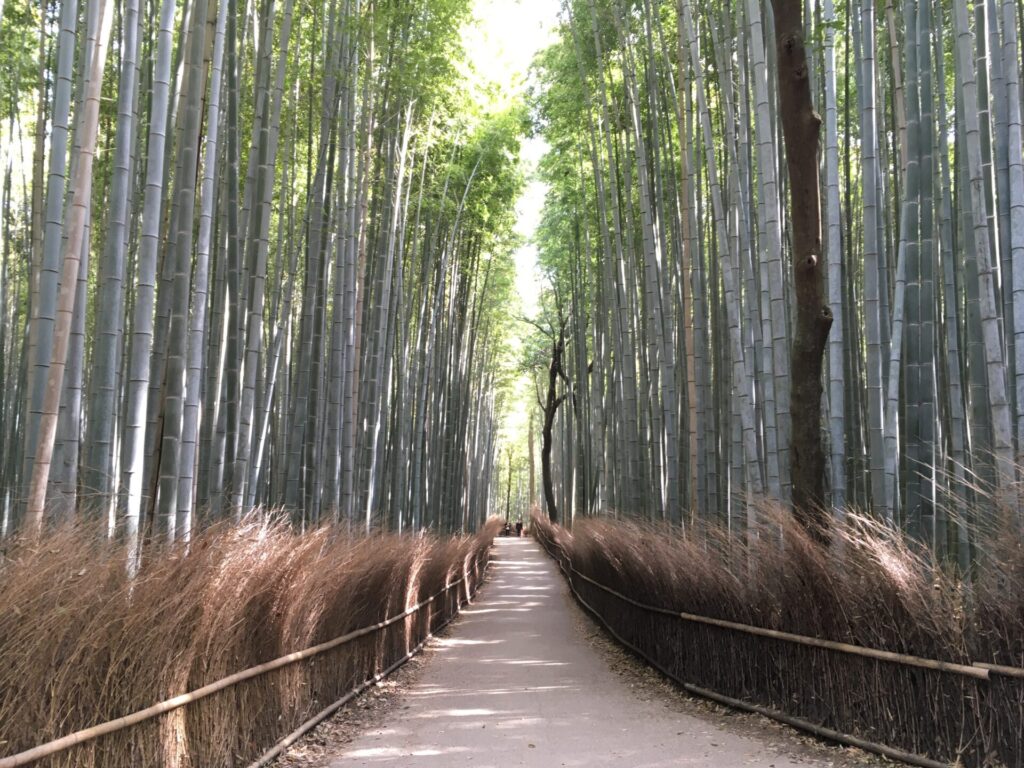
In the afternoon, head west to Arashiyama, Kyoto’s nature-filled district that sits at the foot of the mountains. Your first stop is the Bamboo Grove, one of the city’s most iconic sights. Towering green stalks sway gently overhead, creating a cool, filtered light and a sound that’s surprisingly meditative. It’s not long, but it’s unforgettable—especially if you come later in the afternoon when the tour groups have thinned out.
From the bamboo forest, you’ll naturally flow into the surrounding sights like Tenryuji, small gardens, and quiet shops. It’s the kind of place where getting slightly lost is part of the experience.
5. Tenryuji Temple – Zen Elegance Beside the Bamboo
Just next to the Bamboo Grove is Tenryuji Temple, a UNESCO World Heritage Site and one of Kyoto’s most important Zen temples. Founded in the 14th century, its landscape garden—designed by the famous monk Muso Soseki—remains largely unchanged, with a mirror-like pond framed by pine, maple, and rock.
Inside, tatami rooms open up to views that feel like scroll paintings brought to life. It’s a place to pause, sit, and truly absorb the quiet. The temple’s peaceful energy complements the natural wonder of the bamboo grove and adds a spiritual layer to your Arashiyama experience.
6. Where to have lunch and dinner during the third of your 3 days in Kyoto?
Lunch: Teishoku Set Meal Near the Palace
By now, you’ve earned a nourishing and relaxing lunch. Near the Imperial Palace, you’ll find several traditional eateries offering teishoku—set meals with rice, miso soup, pickles, and a main dish like grilled fish, karaage (fried chicken), or tofu steak. These meals are simple but beautifully balanced, capturing the essence of Japanese home cooking.
Look for places filled with locals—often small, with handwritten menus, and warm hospitality. This is everyday Kyoto cuisine, and enjoying it in the quiet heart of the city makes it taste even better. As a suggestion, take a look at this restaurant 🙂
Dinner: Nishiki Market for One Last Kyoto Feast
For your final Kyoto dinner, head to the Nishiki Market area, often called “Kyoto’s kitchen.” By evening, the daytime bustle calms down and the surrounding streets come alive with izakayas, noodle shops, and cozy restaurants tucked behind noren curtains. Whether you’re in the mood for Kyoto-style sushi, grilled skewers, or something more adventurous like yuba sashimi or unagi (eel), this is one of the best places to eat in Kyoto.
Try a casual meal at a standing sushi bar, or sit down for a kaiseki-inspired teishoku set in a family-run eatery. Many restaurants here use fresh ingredients sourced directly from the market earlier in the day. And if you’re still hungry for dessert, grab a final matcha parfait or warabi mochi on your stroll back to your hotel. There’s no better place to say goodbye to Kyoto than in the heart of its food culture.
🧳 Wrapping Up: Your 3 Days in Kyoto
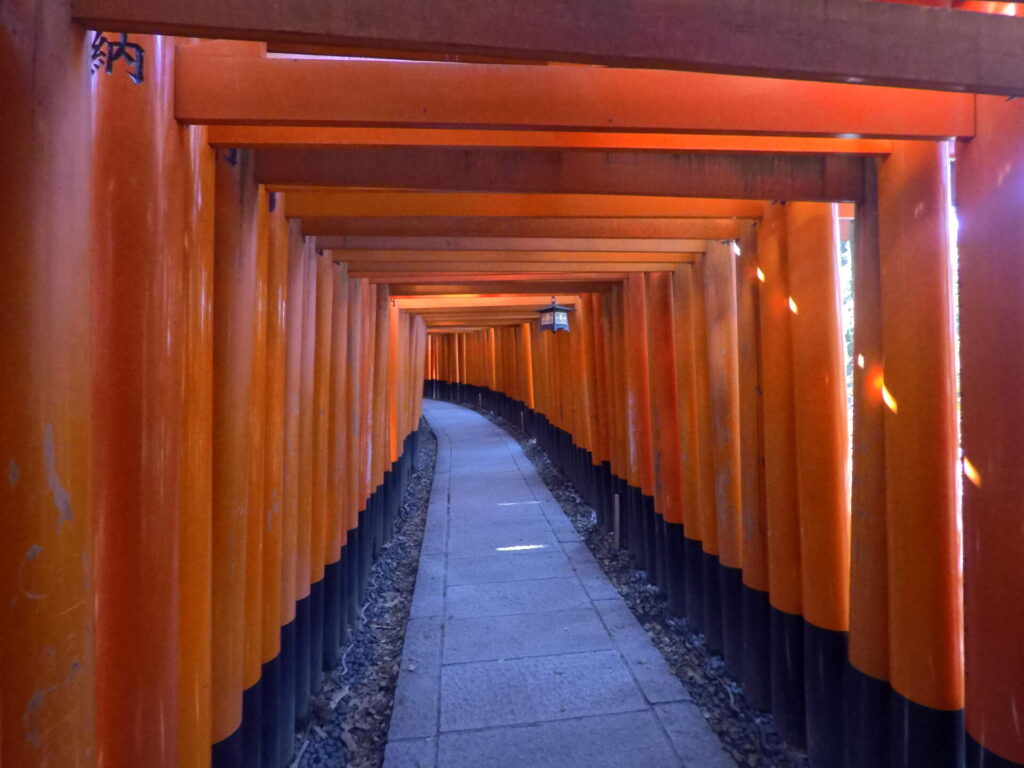
From thousand-year-old temples to lantern-lit alleys, serene Zen gardens to bamboo groves, and delicate tofu meals to bustling market bites—3 days in Kyoto is just enough to fall under the city’s timeless spell. Whether you spent your time wandering through Fushimi Inari’s endless torii gates, admiring the golden shimmer of Kinkakuji, strolling the Philosopher’s Path, or losing track of time in Arashiyama, Kyoto will stay with you long after your trip ends.
This itinerary was designed to give you a thoughtful mix of the best things to see, do, and eat in Kyoto—whether it’s your first visit or a return for a deeper connection. Of course, there’s always more to explore, but now you’ve experienced Kyoto’s spirit: its stillness, its beauty, and its unforgettable rhythm.
📌 Save This Post or Share It With a Fellow Traveler
Everything comes and passes, and unfortunately, your 3 days visiting Kyoto have come to an end too. If this guide helped you plan your Kyoto adventure, consider:
- Saving it for future reference 📍
- Sharing it with someone who’s planning a trip to Japan ✈️
- Or following along for more curated Japan itineraries 🇯🇵. Speaking of itineraries, if you have a few days to spare and want recommendations on other cities in the Land of the Rising Sun, don’t miss my 2-week and 3-week guides to Japan!
- Also, if you have any questions or insights to add to this post, do not hesitate to write in the comment section! Thanks a lot!
P.S: This post contains affiliate links! If you book through them, I get a small percentage (enough to buy me a beer and sometimes even to keep the blog running for free). That small percentage comes at no extra cost to you. It’s a win-win. Thanks for your support!